



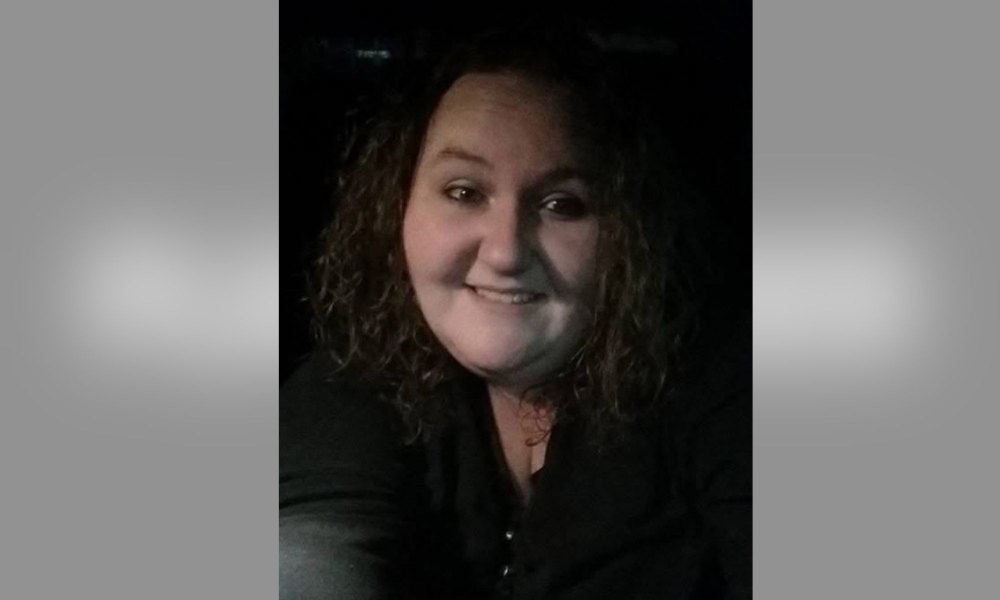
On Sept. 23, police found April Celio, 41, dead in a home in Pineville, Kentucky. The following day, authorities learned Celio was pregnant — but the state medical examiner found no sign of her unborn child when performing an autopsy. It wasn’t until investigators combed the crime scene that they found what they believe to be fetal remains.
Celio was a married mother of three. DeMarcus Kenneth Johnson-Wright was charged with her murder. Officials have not disclosed Celio’s relationship to Johnson-Wright, whom federal authorities described as a felon with an extensive violent criminal history. At the time of Celio’s death, he had active warrants in Tennessee for kidnapping, aggravated robbery, possessing a firearm as a felon and domestic violence.

On Sept. 25, two days after Celio was found dead, the Bell County District Court issued warrants against Johnson-Wright for first-degree robbery and kidnapping. On Sept. 30, the court issued additional warrants for murder related to domestic violence and tampering with physical evidence; the same day, Kentucky authorities asked the U.S. Marshals Service to help find Johnson-Wright.
That night, U.S. marshals arrested Johnson-Wright in Clarksville, Tennessee, roughly 250 miles from where Celio was found slain. Marshals said a search of the home where he was arrested turned up “materials relating to the case.”
Editor's Picks
Why is violence during pregnancy a public health concern?
Specifics surrounding Celio’s death remain undisclosed, but the murder of pregnant women is a well-documented public health concern. A study presented at the Society for Maternal-Fetal Medicine’s annual meeting in January 2025 found that suicide and homicide combined accounted for more deaths among pregnant and postpartum women than any single medical cause. Researchers reviewed Centers for Disease Control and Prevention data from 2005 to 2022 and also found an association between firearm legislation and reductions in maternal mortality.
“There’s a misconception that most maternal deaths happen in hospitals or healthcare settings, and that’s simply not the case,” said one of the study’s authors in a news release, Dr. Mary D’Alton, a maternal-fetal medicine subspecialist and chair of the Department of Obstetrics & Gynecology and professor of obstetrics and gynecology at Columbia University Irving Medical Center.
Organizations like the National Coalition Against Domestic Violence have highlighted the prevalence of violence during pregnancy, noting that 50% to 75% of women who are abused before their pregnancy will experience abuse during their pregnancy. Research into pregnancy-associated intimate partner violence (IPV) has also identified circumstances that can lead to homicide, including unwanted pregnancies or relationships, paternity disputes, avoiding prosecution for other crimes and fears of having an affair exposed.
Advocates have recommended expanding support to people affected by IPV, including making these resources available at routine screenings or parenting classes. These points of access can provide opportunities for pregnant women experiencing abuse to learn about available services and seek help.
It’s important to note that authorities have not disclosed a motive in Celio’s death, and it is unclear whether her pregnancy played any role in her murder. Her case, however, emphasizes the need to recognize violence against pregnant women as a public health concern and expand opportunities for intervention. Greater public awareness of how this form of abuse manifests in relationships, along with access to support, can help prevent violence before it turns fatal.
If you or someone you know is experiencing violence, help is available. Call the National Domestic Violence Hotline at 1-800-799-7233 (SAFE), text START to 88788 or chat online at thehotline.org. Support is free, confidential and available 24/7. If you are in immediate danger, call 911.