



Michigan prosecutors believe circumstantial evidence points to the murders of three missing boys
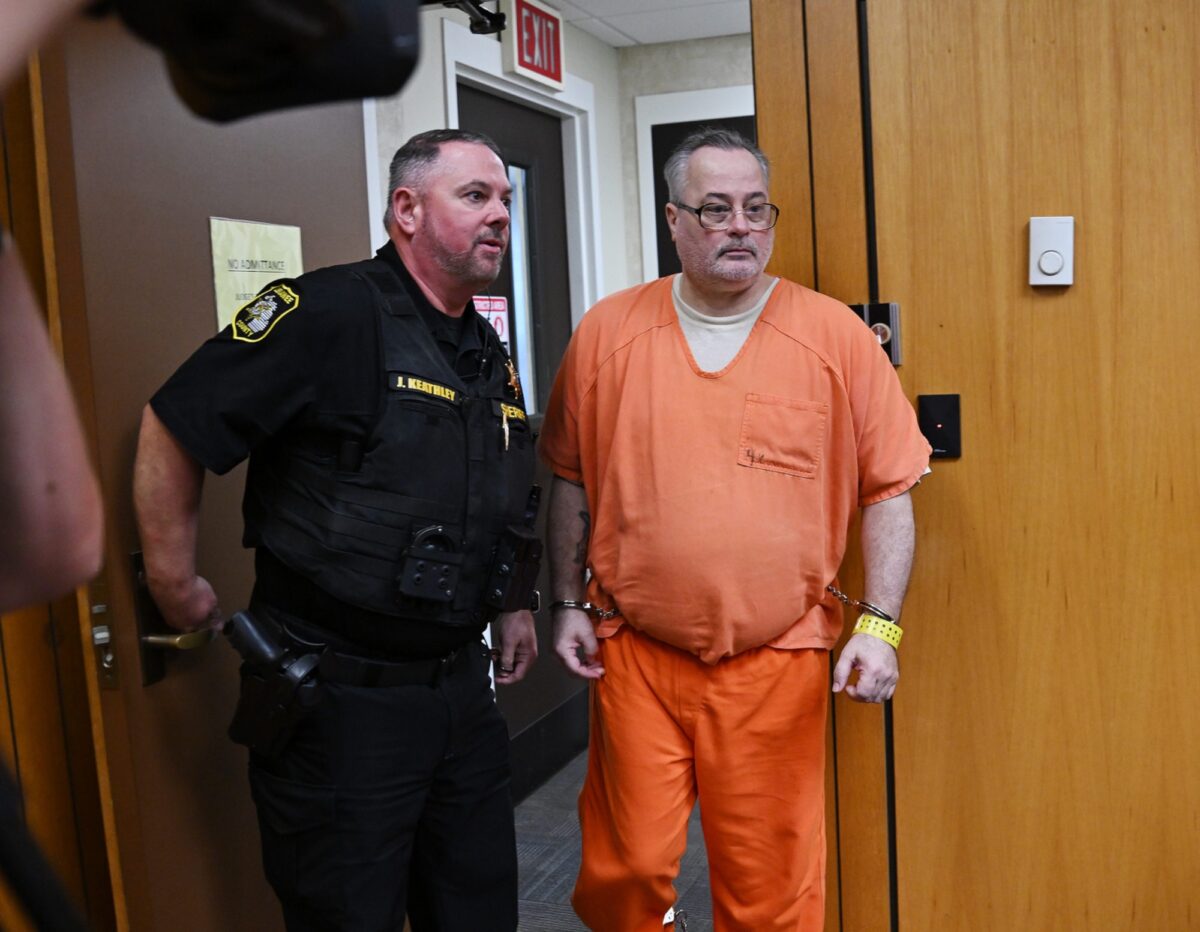
John Skelton is slated to stand trial in Michigan on charges of killing his three young sons, Andrew, 9, Alexander, 7, and Tanner, 5, who were last seen in November 2010. Skelton was weeks away from completing a 15-year prison sentence for his sons’ unlawful imprisonment when, about two weeks before his scheduled release on Nov. 29, 2025, Lenawee County prosecutors charged him with their presumed murders. The latest charges also came eight months after the three missing boys were declared legally deceased.
“No body, no crime” was once an apt description of the challenges prosecutors faced in murder cases without remains, but advances in technology and forensic science are helping build cases even when the victims’ bodies are unaccounted for. Since 1819, 620 no-body murder trials have taken place in the U.S., yielding an 87% conviction rate.
Why prosecutors believe John Skelton killed his so
Skelton’s case appears to illustrate how prosecutors are using technology to build circumstantial cases when victims’ remains are never recovered. During Skelton’s preliminary examination, FBI data analyst Walker Sharp said he reviewed Skelton’s computer search history and discovered some suspicious inquiries, including how to break a neck and whether rat poison was fatal. Sharp testified that the neck searches were made on Nov. 20, 2010, five days before Skelton’s three sons disappeared.
Editor's Picks
Skelton’s attorneys countered that no physical evidence ties him to his sons’ deaths and suggested the searches were connected to his own suicide attempt.
District Judge Laura J. Schaedler ultimately ruled that prosecutors presented sufficient evidence at the preliminary examination for the case to go to trial. Afterward, Skelton’s attorneys were granted a one- to two-month adjournment to review transcripts from the most recent hearing. Although the court has not yet set a trial date, Skelton’s next hearing is scheduled for Dec. 16. Despite the judge’s ruling, prosecutors face a serious challenge: Can a jury be convinced that Skelton killed his sons despite them never being found?
The Skelton brothers’ disappearance
Alexander, Andrew and Tanner were last seen in their father’s backyard in Morenci, Michigan, on Nov. 25, 2010. Over the years, Skelton has offered several explanations for his sons’ whereabouts, including claims that he handed them over to a woman who police believe doesn’t exist. He allegedly also claimed a covert group took his three sons because their mother was abusing them. The boys’ mother, Tanya Zuvers, has denied this allegation.
Prosecutors have aimed to prove that Skelton knows his sons are deceased. They played a 2011 jail call in which Skelton told his teen daughter she was the “youngest Skelton now.”
“Well, they were taken away from me, too. They didn’t tell me where it was going to be,” Skelton was recorded saying. “It’s a security thing, because Tanya’s got custody now. She can’t abuse them anymore right now.”
During the preliminary examination, Zuvers said she immediately filed for divorce on Sept. 13, 2010, after Skelton secretly pulled their two older sons out of school and took them to Jacksonville, Florida. Skelton reportedly told Zuvers that he wanted to move there for more work opportunities.
“It like just came out of the blue. He talked about wanting to move there as a family. Then, he just grabs the boys and leaves,” Zuvers testified.
Less than two weeks after Zuvers filed for divorce, Skelton sought full custody, citing Zuvers’ sex-offender status. Zuvers pleaded guilty in 1998 to fourth-degree criminal sexual conduct involving a 14-year-old boy. Zuvers was awarded sole custody, but she allowed Skelton to take Alexander, Tanner and Andrew for Thanksgiving.
Zuvers raised the alarm the day after Thanksgiving, when Skelton didn’t bring the boys back as agreed. Skelton allegedly told Zuvers he was in the hospital with a broken ankle and had given their sons to a woman named Joanne Taylor. Not only have police concluded that Taylor doesn’t exist, but Zuvers said she eventually learned that Skelton was hospitalized because he had tried to hang himself.
Cellphone data reportedly places Skelton in Morenci, Michigan, on Nov. 26, 2010 — but his phone was also traced to Ohio, 20 miles from his home. Authorities said his phone was shut off in Ohio but was turned back on two hours later, when it was pinged again in Morenci. What happened during this two-hour window remains unconfirmed, but a probable cause affidavit stated that Skelton possibly murdered his sons sometime between Nov. 25 and 26, 2010.
What happened after the boys vanished?
Despite searches spanning Michigan and Ohio, authorities have been unable to locate Alexander, Tanner and Andrew. Skelton has been in custody since November 2010, and he refused to reveal his sons’ whereabouts. In June 2024, Zuvers filed a petition to have her three missing sons declared legally deceased. During the hearing, FBI agent Corey Burras testified that Skelton left behind a suicide note that Burras called “his passive admission to killing the children.”
“You will hate me forever, and I know this,” Burras said, quoting Skelton’s alleged suicide letter.
In March 2025, Lenawee County Probate Judge Catherine Sala granted Zuvers’ request to have her sons declared legally dead, with their date of death presumed to be Nov. 26, 2015. (In Michigan, a person is declared legally dead after five years of unexplained absence.) However, she stopped short of saying that the evidence presented at this hearing proved Skelton killed the three boys.
“The information provided in this trial provides ample opportunity for speculation and theories,” Sala said. “But to make such a finding, the court would only be joining those voices offering such speculation and theory, given the lack of information.”
With a trial looming, Sala’s ruling underscores prominent concerns about no-body murders, which are especially present in long-term cold cases. Those same concerns are likely to complicate the prosecution’s case against Skelton. Will fading memories and the lack of physical evidence create doubt among jurors?