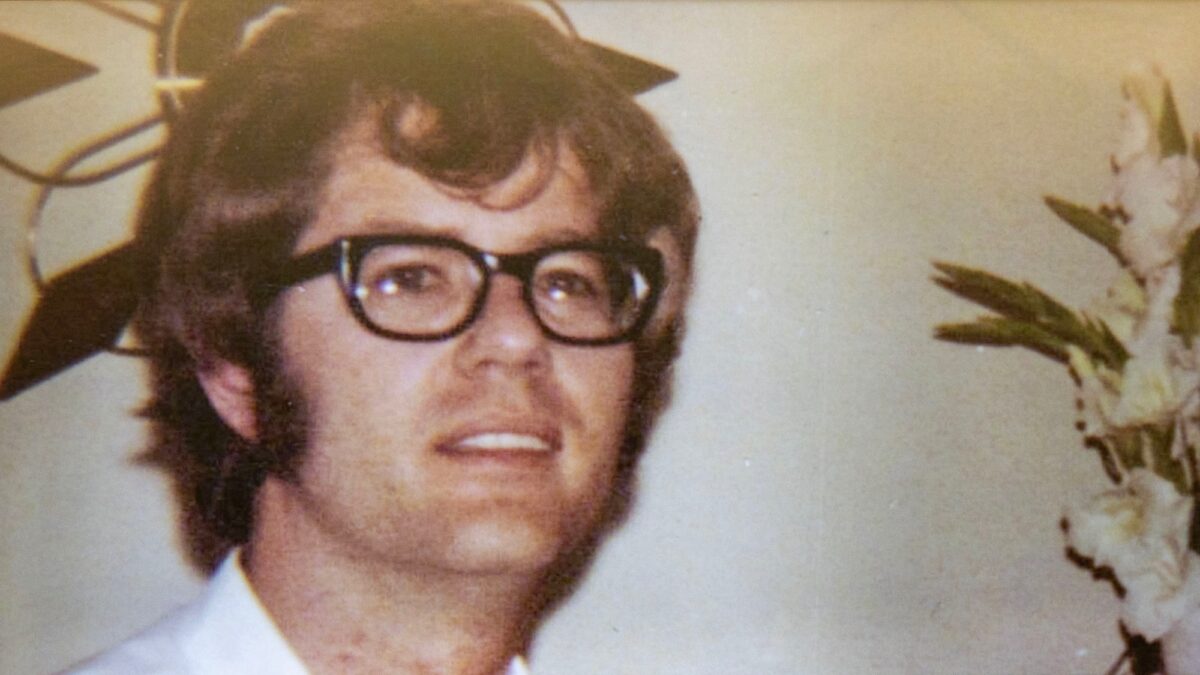
Seven people in the Chicago area died after taking cyanide-laced Tylenol capsules
For more than four decades, Idaho investigators knew him only as the “Unknown Wanderer.” Now the mystery has an answer. In September, the Ada County Sheriff’s Office said it had identified the Unknown Wanderer as Mathew Francis Betkouski and suggested a possible connection between his case and one of the most infamous unsolved crimes, the 1982 Tylenol murders.
In December 1982, Betkouski died under a pew inside Sacred Heart Catholic Church in Boise, Idaho. Betkouski, a chemist with a history of mental health issues, took his own life with cyanide.
The body in the Boise church went unidentified for decades. Ada County sheriff’s investigators eventually traced an etching on one of the nearly 30 keys the man carried to a property in Jacksonville, Florida, that belonged to Betkouski. DNA testing using samples from Betkouski’s brother helped confirm his identity.
Editor's Picks
Chicago police confirmed they were in contact with Idaho authorities, while Arlington Heights police said they reviewed the information in Betkouski’s case. Neither agency has publicly established a link between Betkouski and the 1982 poisonings.
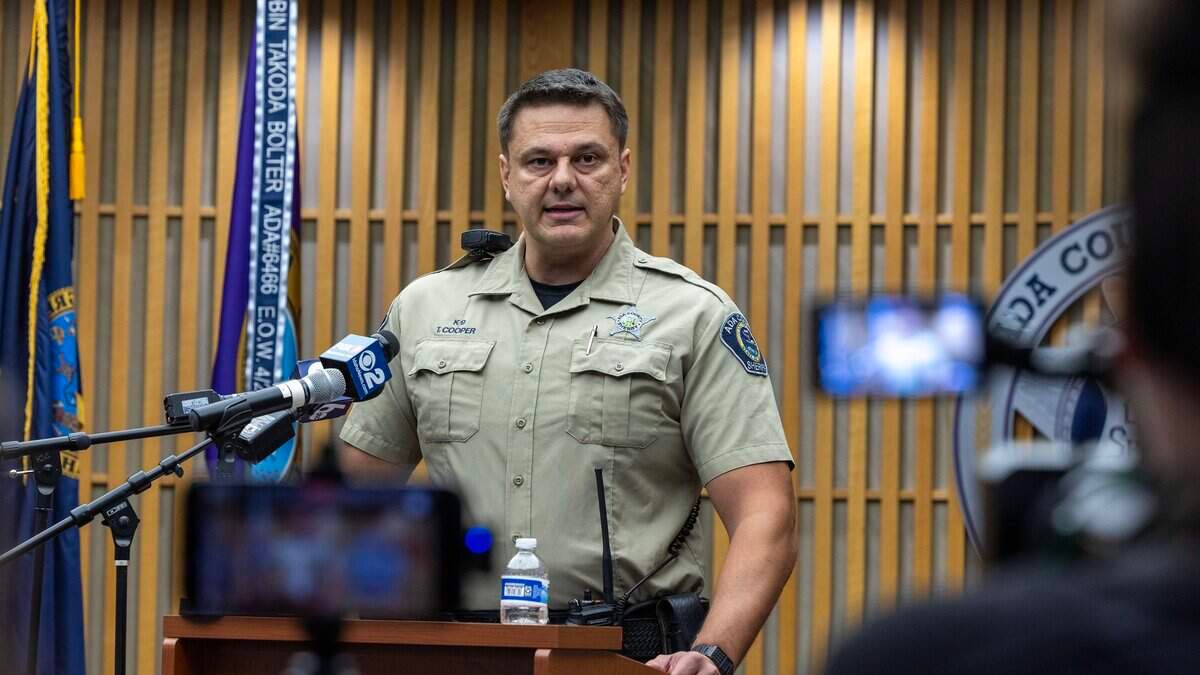
Ada County Sheriff’s Office Detective Tim Cooper said in September: “I cannot put his shoes in a pharmacy store aisle 44 years ago. But I also can’t dismiss his statements, his actions.”
A ‘brilliant’ chemist fascinated by cyanide
Betkouski previously worked for a flavors and fragrances company in Jacksonville, Florida. According to Cooper, co-workers reported in 1978 that Betkouski had discussed “the perfect crime” and using cyanide to take one’s life. The company later fired him after he returned from medical treatment.
Betkouski later worked for Lockheed in New Mexico, where investigators said he had taken unauthorized materials from the lab at the White Sands Test Facility. Lockheed fired him in March 1982 after a disturbance at a pharmacy, where he allegedly tried to obtain pills or capsules “for an experiment.”
Investigators found evidence suggesting Betkouski was in Chicago in late 1981, but no evidence placing him there when the poisonings occurred in September 1982.
During their investigation, Ada County detectives examined some of Betkouski’s personal items — including a bottle of sodium cyanide that investigators believe he made from apricot and peach pits. However, the Tylenol killer used potassium cyanide, not sodium cyanide.
Ada County investigators described Betkouski as a “brilliant man” whose mental health deteriorated after a traumatic brain injury.
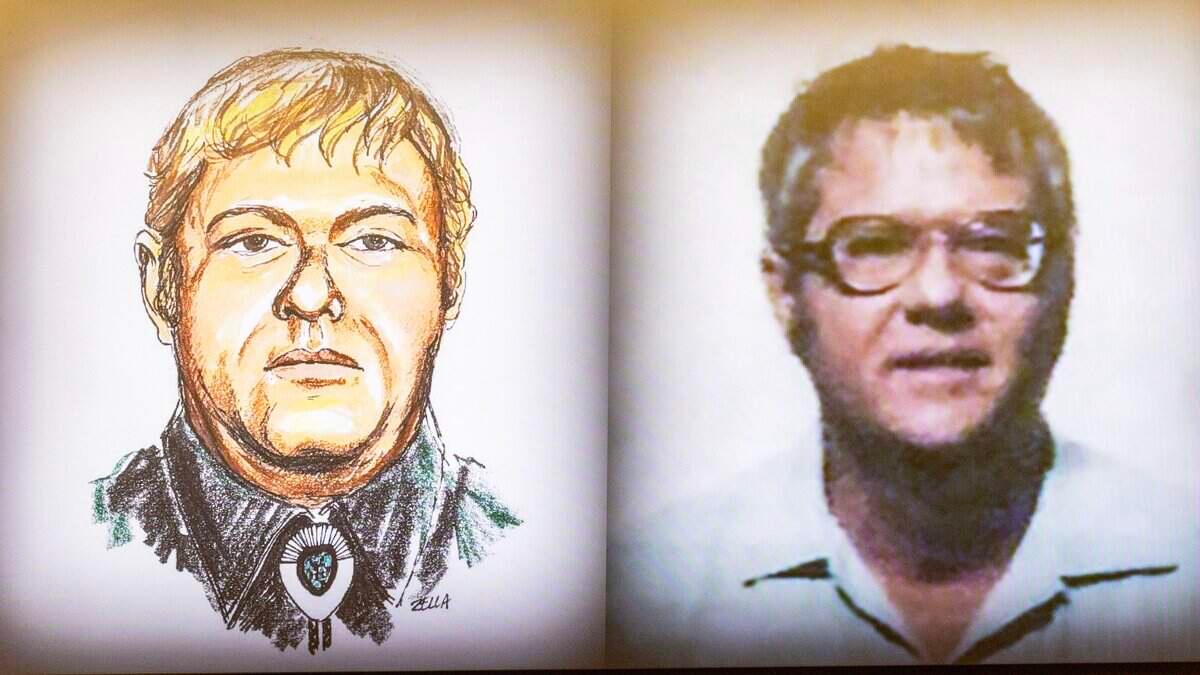
Investigators believe Betkouski dyed his hair and signed his suicide note “Wm. L. Toomey” to conceal his identity. A court declared him legally dead in 1989.
At a September news conference, Ada County officials said they are not naming Betkouski a suspect in the Tylenol murders but sent their findings to investigators in Chicago and Arlington Heights, Illinois.
About the 1982 Tylenol murders
Mary Kellerman, of Elk Grove Village, was complaining of a sore throat when her parents gave her one Extra Strength Tylenol capsule before school. Hours later, the 12-year-old girl was dead, making her the first and youngest victim. The same day, Adam Janus, 27, an Arlington Heights postal worker, also died from the tainted medication. After learning of Adam’s death, his brother, Stanley Janus, 25, and sister-in-law, Theresa Janus, 19, went to his home to comfort family members. They, too, took the poisoned capsules and died.
Authorities linked three more deaths to the cyanide-laced capsules: Mary Reiner, 27; Mary McFarland, 31; and Paula Prince, 35. The FBI determined that all seven victims took the medication on or shortly after Sept. 29, 1982, giving investigators a narrow window to pinpoint when someone tampered with the medicine. Investigators faced a pressing question: How many bottles had the killer tainted, and how many of them remained in unsuspecting people’s medicine cabinets?
Though authorities never charged anyone with the murders, James Lewis spent over 12 years in prison for attempting to extort $1 million from Tylenol manufacturer Johnson & Johnson by threatening additional poisonings. At Lewis’ trial, an FBI handwriting expert identified Lewis as the author of the extortion letter.
“As you can see, it is easy to place cyanide, both potassium and sodium, into capsules sitting on store shelves. And since the cyanide is inside the gelatin, it is easy to get buyers to swallow the bitter pill. Another beauty is that cyanide operates quickly. It takes so very little. And there will be no time to take countermeasures. If you don’t mind the publicity of these little capsules, then do nothing. So far I have spent less than $50 and it takes me less than 10 minutes per bottle,” Lewis wrote in the letter Johnson & Johnson received on Oct. 6, 1982.
Even after his release from prison, detectives kept their sights on Lewis. Records WBBM-TV obtained show that officials interviewed Lewis at least 34 times between 2007, when the FBI reopened the investigation, and 2009. In 2008, Lewis told investigators that someone as young as a teenager could have concocted the poisonings that left an entire city on edge.
Video shows Lewis asking a retired FBI agent, “How do you know the person wasn’t wearing gloves? Just because nobody saw … reported seeing somebody with gloves?”
Lewis, 76, died in 2023 after police found him unresponsive in his home in Cambridge, Massachusetts. The Massachusetts Office of the Chief Medical Examiner determined he died of a pulmonary embolism and ruled his death natural. Sources told CBS News Chicago that it was a frustrating day for law enforcement, which from the outset had eyed Lewis as the prime suspect.
Though unsolved, the Tylenol murders prompted major changes to product safety practices, including tamper-evident packaging for over-the-counter medications. Investigators have identified the “Unknown Wanderer” more than four decades after his death, but whether Betkouski had any involvement in the Tylenol murders remains unknown.
READ MORE: Timeline of events from the Idaho Statesman